The Misery of ID Theft
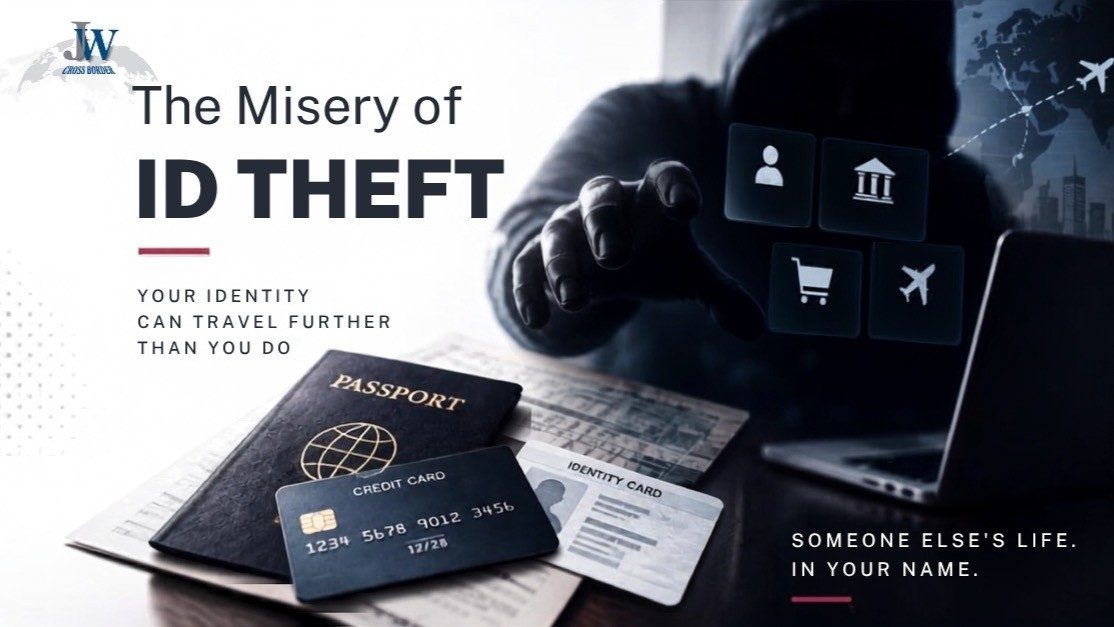
An Israeli living in Europe for years, with no debts in Israel, applies at the consulate to renew his passport and is refused: enforcement restrictions in Israel. That is how he learned that someone had been living a full financial life in his name since at least 2020 — dozens of police fines on Israeli roads, two vehicles and two bank accounts registered in his name, and dozens of enforcement proceedings opened by mobile carriers, credit companies, a bank, toll roads, municipalities and landlords, ending in garnishments, levies and a travel ban.
After several months of legal actions: all police reports cancelled, stays obtained in every enforcement file, the passport restriction lifted, some files closed; many remain pending. Three lessons. A stay on procedural grounds pauses collection but does not erase the debt — a defence on the merits must still be prepared. The system is built to collect, not to question — not one creditor questioned documents obtained by forgery. And identity theft is not one case but a dozen, each requiring the victim to prove a negative. Israelis abroad: check your status with the Enforcement Authority before you need a passport.
Read the full account on LinkedIn →Artificial intelligence in legal work: speed, access and the limits of verification
AI tools produce text faster than any lawyer can. They also produce errors — confidently presented, structurally plausible, and occasionally invisible until the wrong moment. The professional duty to verify, judge and accept responsibility for what is submitted to a court or delivered to a client does not diminish because a machine drafted the first version.
The practical question is not whether to use AI but where verification discipline must be sharpest. In legal research, in citation, in translation of nuanced legal concepts between languages — these are the areas where the cost of an undetected error is highest. Speed is not a defence.
When a settlement is breached
A dispute that appeared finished returns to court. The parties reached terms, signed, and one of them did not perform. The questions that follow are not straightforward: what exactly was agreed, what constitutes breach, what remedies are available, and whether re-opening the litigation is the right response or whether a further negotiated resolution is achievable.
Settlement agreements are enforceable as contracts and, if filed with the court, as judgments. The terms matter — both what was written and, increasingly, what was not. Enforcement proceedings can be faster than new litigation, but only if the agreement was properly drafted in the first place.
Enforcing a foreign judgment in Israel
A creditor with a judgment from a foreign court needs to enforce it against assets in Israel. Israeli law provides a recognition and enforcement procedure, but the conditions are specific: the foreign court must have had jurisdiction by Israeli standards, the judgment must be final and enforceable in its home jurisdiction, and certain procedural requirements must be met before an Israeli court will treat the foreign judgment as its own.
The process is not automatic. Getting the documents right, filing in the correct court, and anticipating the debtor's likely objections are the practical challenges. Timing matters — assets can move.
Directors' duties as insolvency approaches
When a company's financial position deteriorates, the duties of directors shift. The interests of creditors become directly relevant — not only those of shareholders. Decisions taken in the period before formal insolvency proceedings are examined in hindsight: what did the directors know, when did they know it, and what did they do.
Directors who continue trading when insolvency is foreseeable, or who prefer some creditors over others without proper justification, face personal liability. The point at which this exposure begins is not always obvious from inside the business. Early legal advice on the position — before the filing — is consistently more useful than advice sought after the proceedings have opened.